Architecture & Interior Design

We create private and public spaces with a strong, distinctive identity, guided by a holistic approach in which architecture, art, and design are seamlessly intertwined. Each project is conceived as a clear and emotionally resonant experience, shaped through a precise and responsive dialogue with the client’s vision, context, and needs.

La Filanda | Studio Luca Guadagnino
Milano | Italy

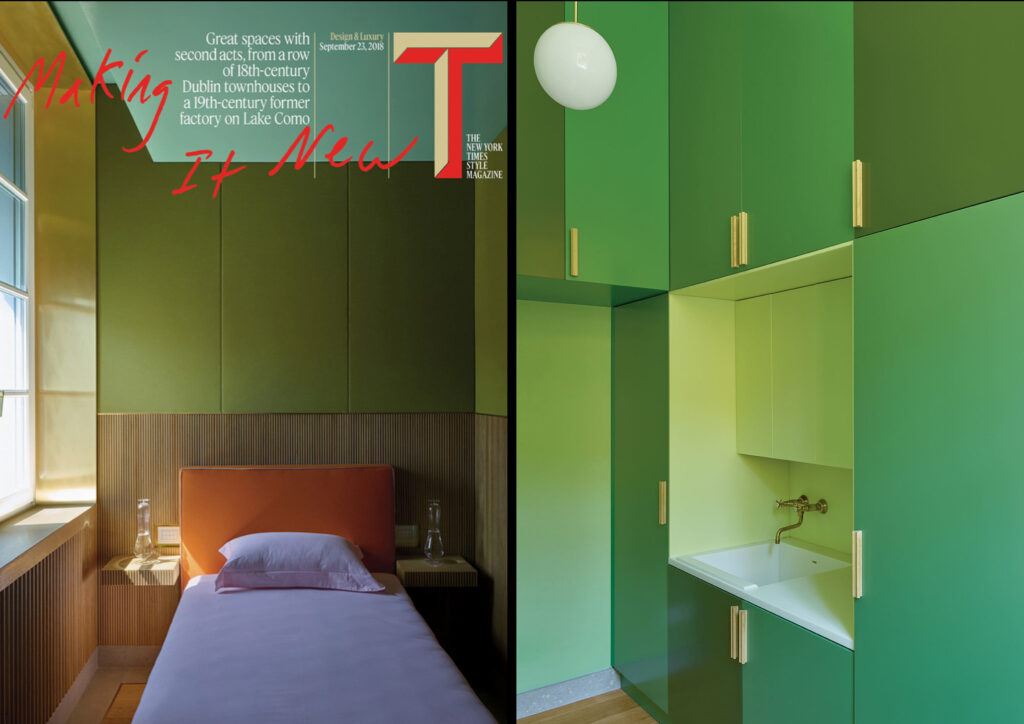
Interior design for a private residence in Lenno, on Lake Como, developed in collaboration with filmmaker Luca Guadagnino, Academy Award winner for Call Me by Your Name. The house was designed for Federico Marchetti, founder of Net-a-Porter and Yoox.

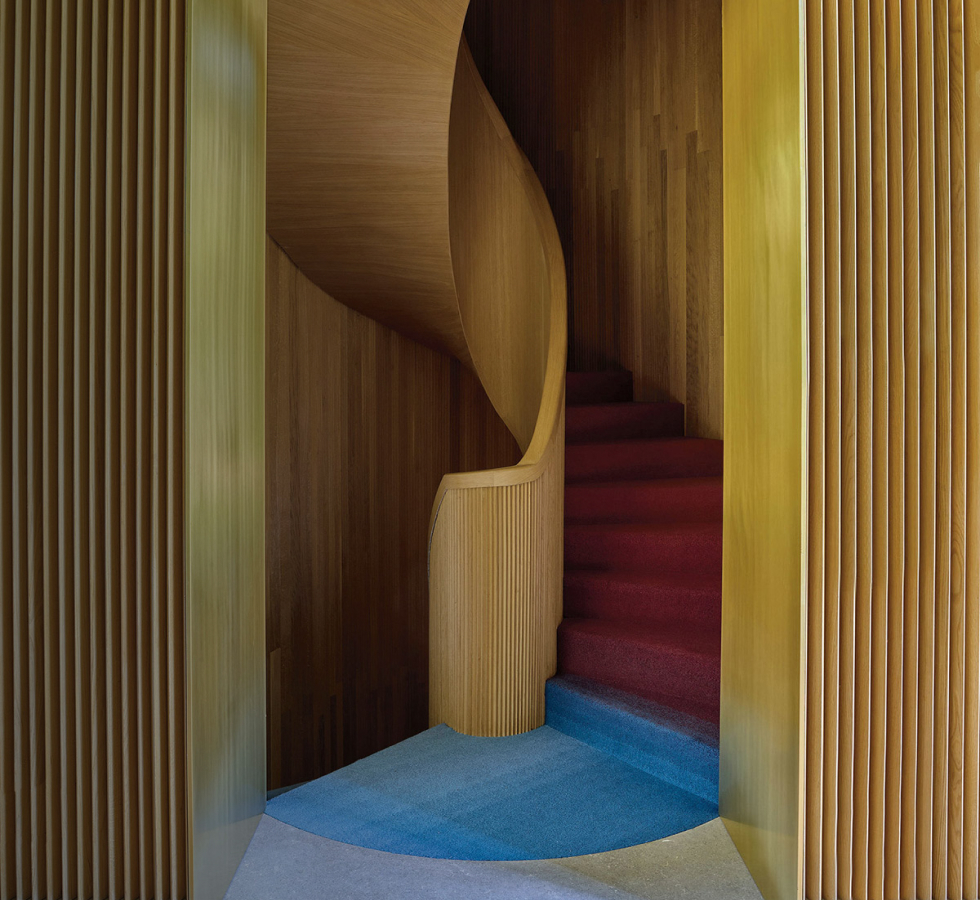
The project is conceived through a scenographic approach, where color becomes a primary architectural tool. A palette of luminous, nuanced tones defines each space, creating subtle contrasts with the surrounding landscape and framing views of Lake Como. The interiors unfold as a sequence of atmospheres, where light, color, and material shape a refined and immersive domestic experience.

ROMEO Roma
Rome | Italy

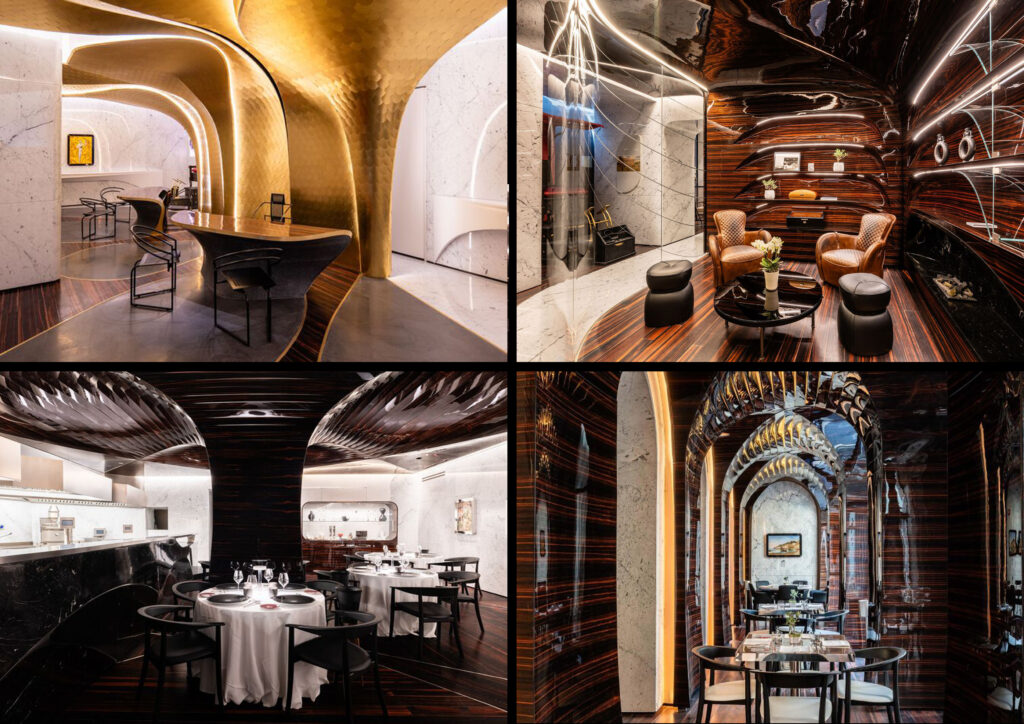
The interior design of this luxury hotel is conceived in dialogue with Zaha Hadid Architects, founded by Pritzker Prize laureate Zaha Hadid, and is set within a 16th-century palace overlooking Piazza del Popolo in Rome.

Arch. Andrea Pompili collaborated with the design team on the hotel’s interior design and contributed to developing the Romeo Collection’s brand identity. She also led the implementation of the modern and contemporary art collection, commissioning site-specific works in dialogue with the architecture.

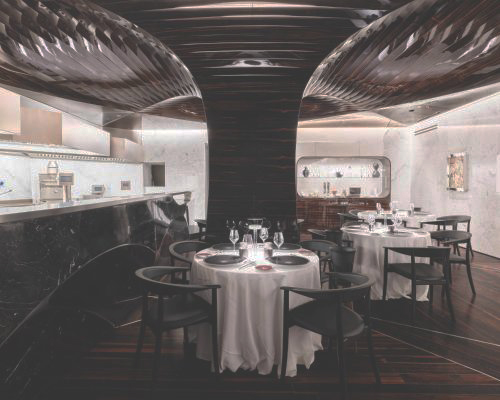
The project balances historical continuity with a contemporary language, where art, materials, and light shape a cohesive and immersive spatial experience.

House of SUGI
Yakushima | Japan

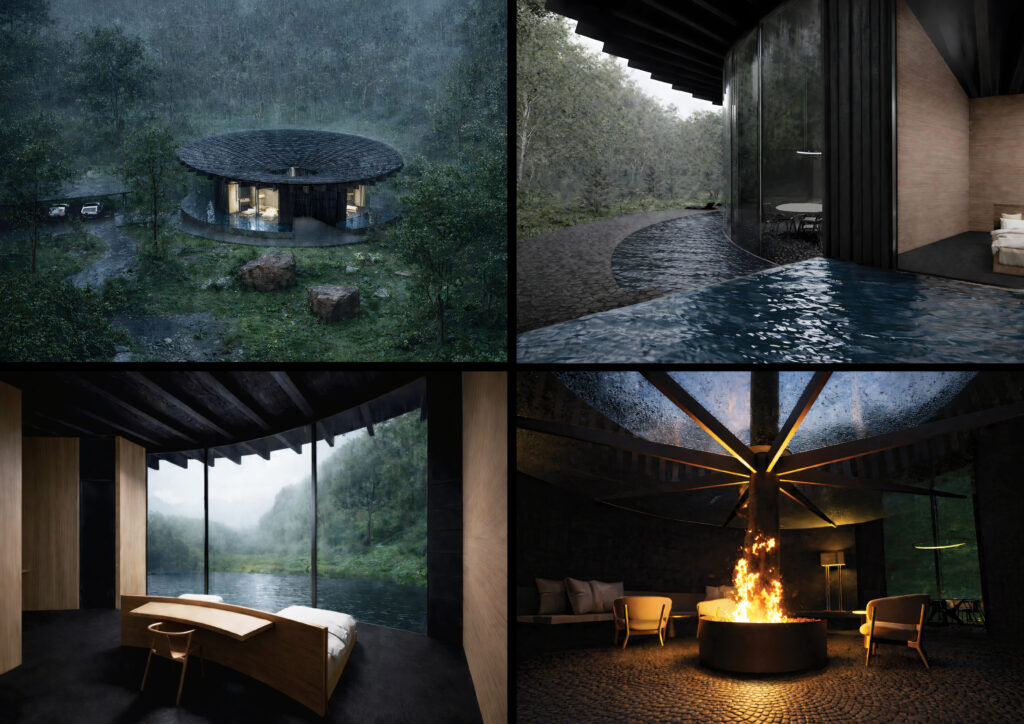
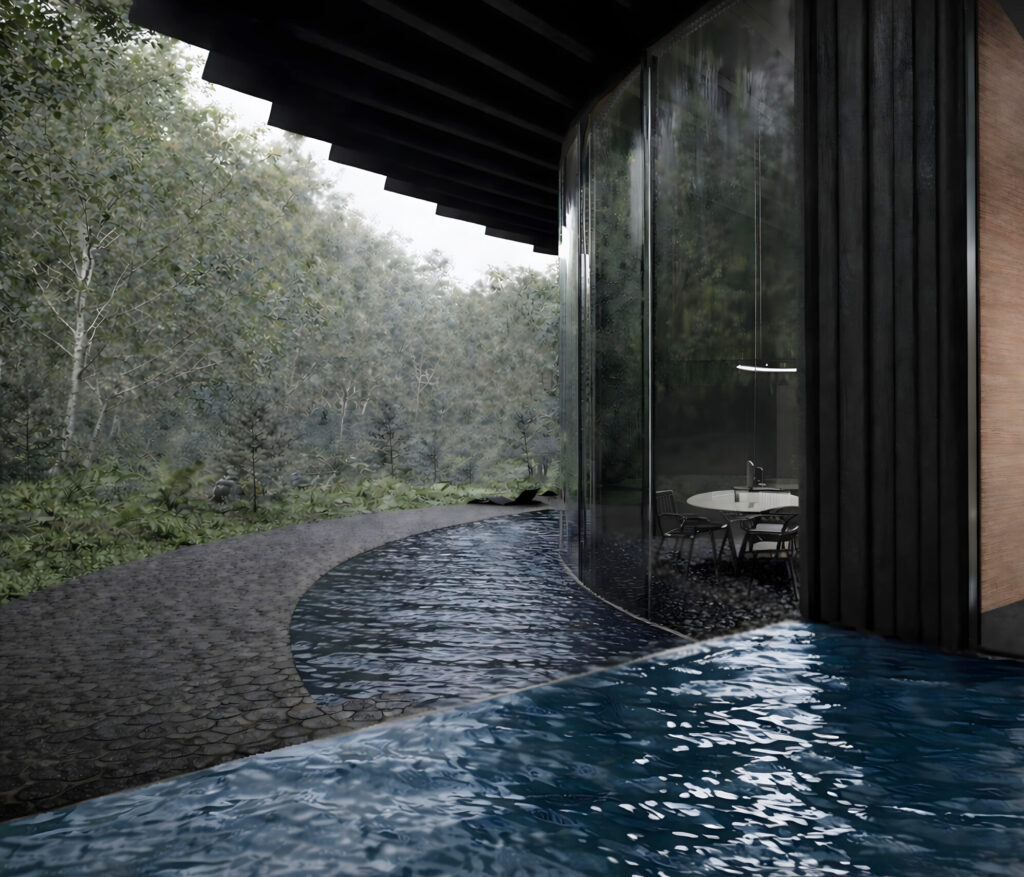
Set on the island of Yakushima, the project is conceived as an extension of the surrounding forest, where ancient Yakusugi cedars and constant rain define a dynamic natural environment.

Sugi (Japanese cedar) forms the material and sensory core of the architecture, evolving with light, moisture, and time. A circular plan and a roof shaped by the surrounding mountains create a fluid interior, where light, shadow, and views establish a continuous dialogue with the landscape.

At the center, a double-height living space organized around a hearth acts as the social core, with spaces unfolding radially across two levels. Full-height glazing dissolves boundaries between inside and outside, while terraces and water elements extend the architecture into the terrain.

The project becomes a living environment—an immersive continuation of Yakushima’s forest.

The Enclosed Void
Udaipur | India

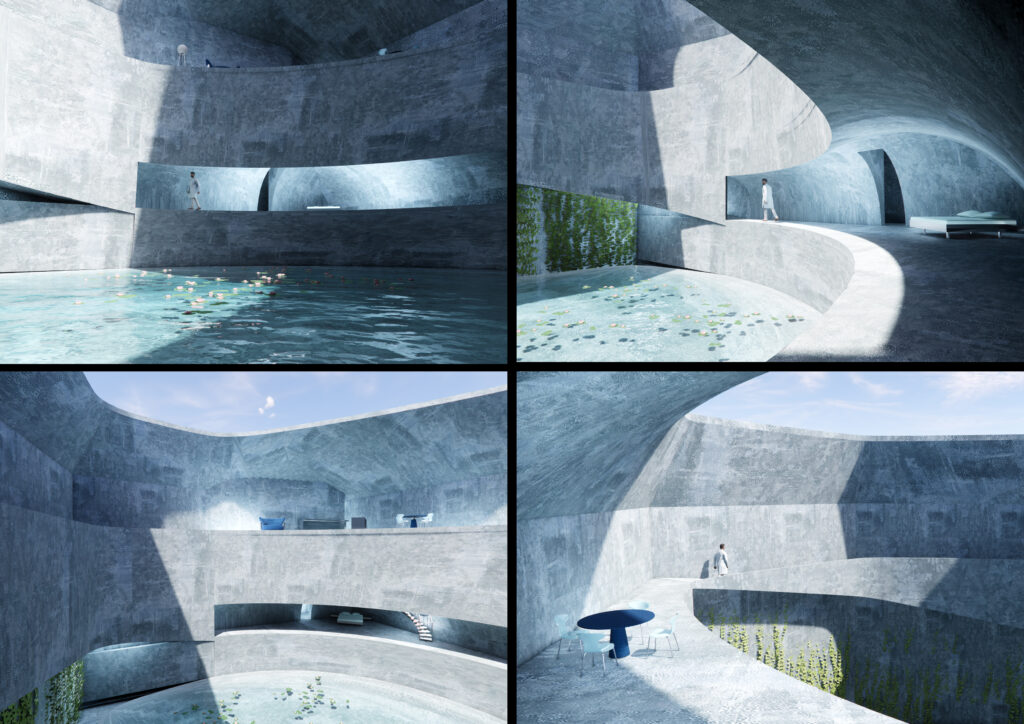
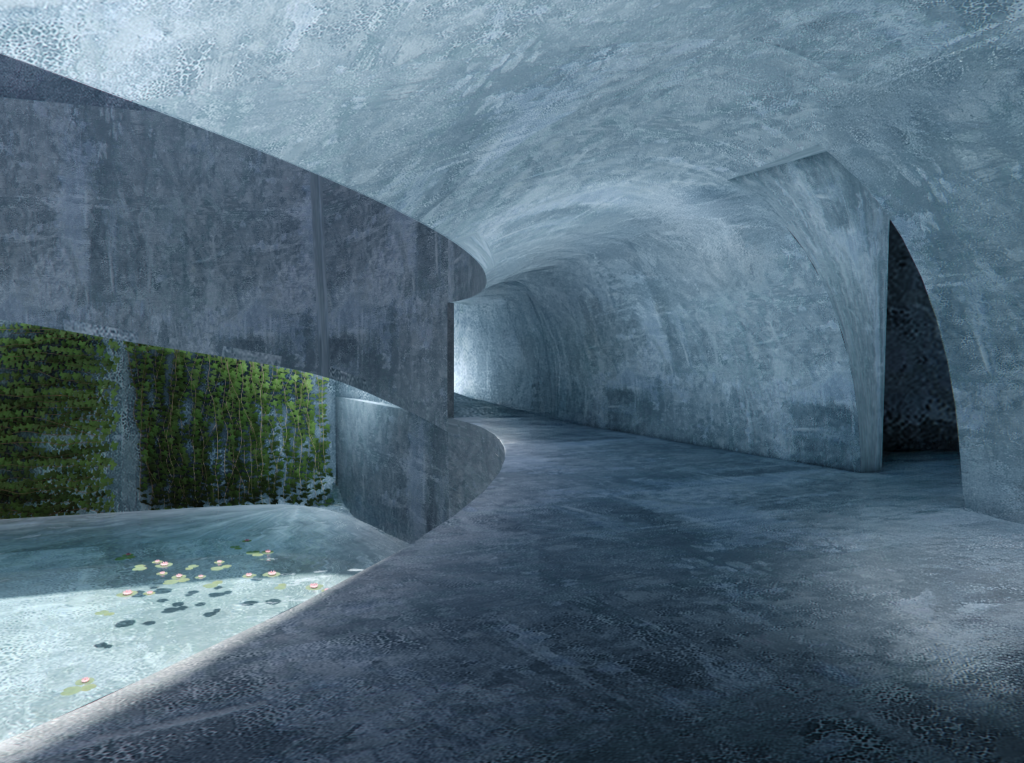
Set within the dense fabric of Udaipur—often referred to as the “Blue City” for the characteristic blue-painted houses of its historic quarters, traditionally associated with Brahmin identity and valued for their cooling effect in the intense Rajasthani climate—the project is conceived as an inward retreat, a protected world defined by absence rather than form. In continuity with this preexisting urban identity, the house is realized in blue pigmented concrete, reinterpreting the chromatic tradition through a contemporary architectural language.

At its core, a void acts as an internal oasis, bringing light, air, and silence into the compact urban condition. The space unfolds across two levels connected by a ramp, creating a continuous sequence of shifting perspectives around this central void.

A natural pool, fed by the monsoon, anchors the project within the rhythms of climate and water. Turning away from the city, the house offers a space of introspection and calm—an alternative way of inhabiting the urban environment.

Conca House
Milan | Italy

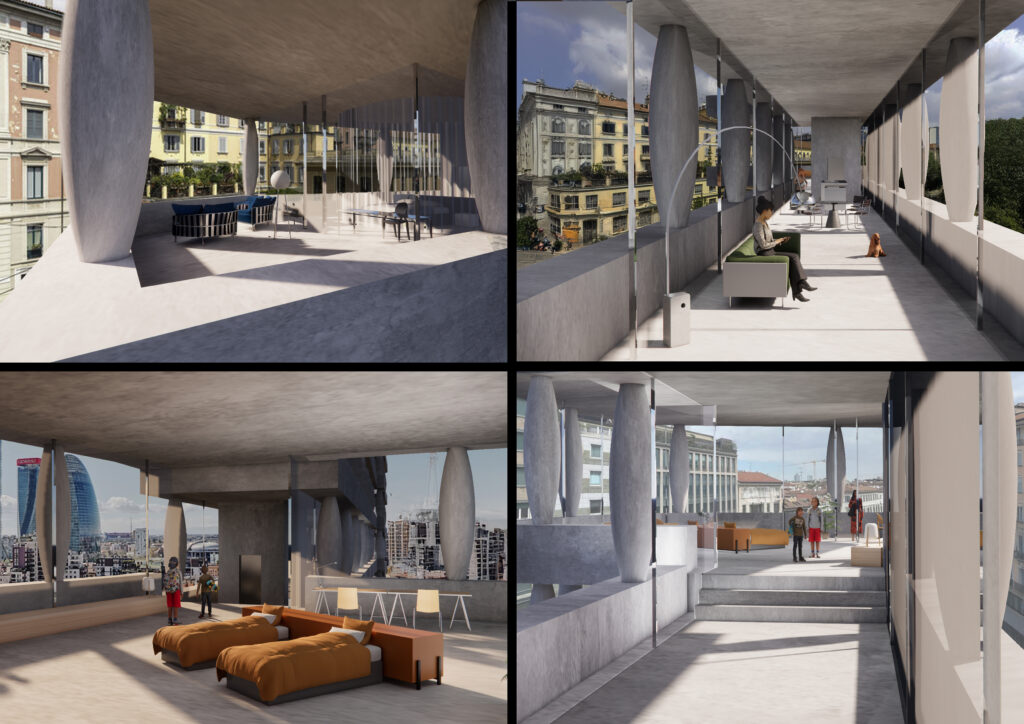
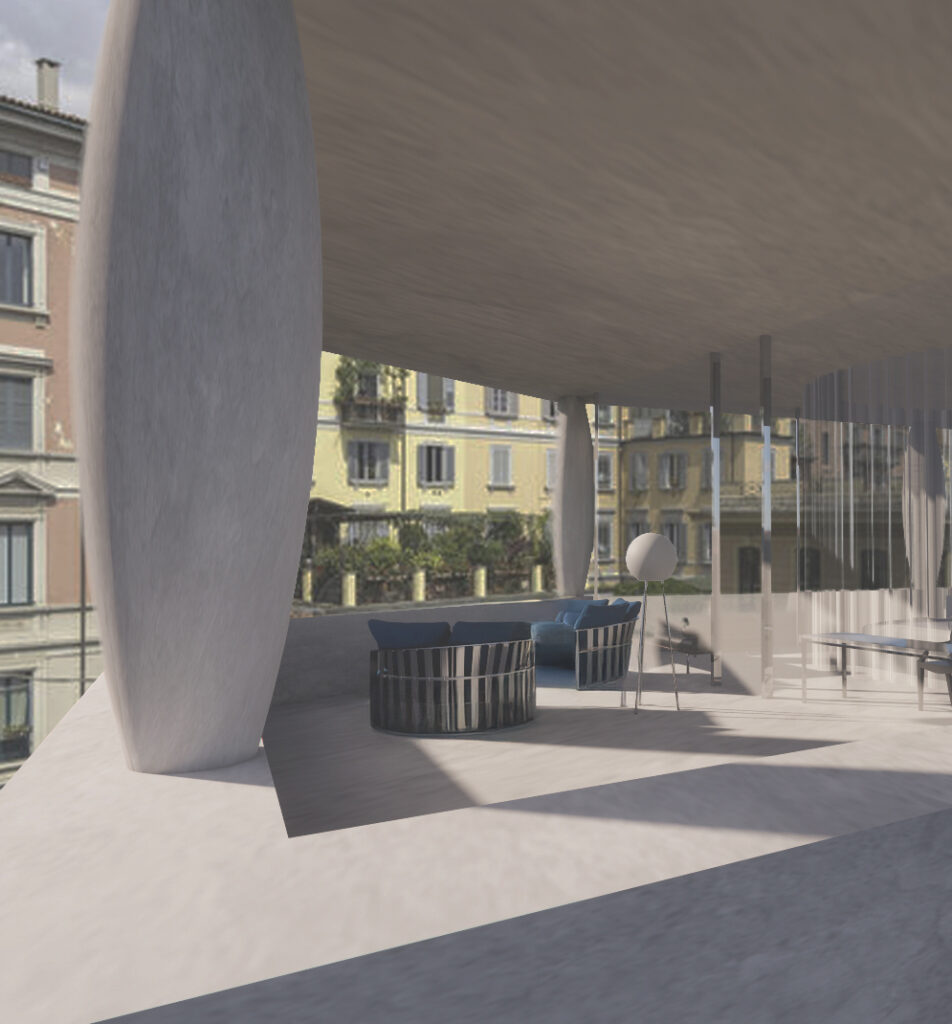
Located between Brera and Piazza Gae Aulenti, the project occupies the site of Conca delle Gabelle, an urban void rooted in Milan’s layered history and its historic canal system, which is connected to Leonardo da Vinci.

The building emerges from this footprint, maintaining a precise relationship with the ground while remaining detached from its surroundings. Organized as a five-story structure, the building has a single linear apartment on each level, with spaces unfolding along a continuous sequence.

A system of articulated columns and a thick outer envelope define the architecture, balancing openness and privacy while softening the boundary with the city. At ground level, a pre-existing bridge crosses the site, anchoring the project within its historical context.

The project proposes a quiet form of urban living—where distance, depth, and spatial control shape a measured relationship with the city.

The Linear Retreat
Arabian Desert

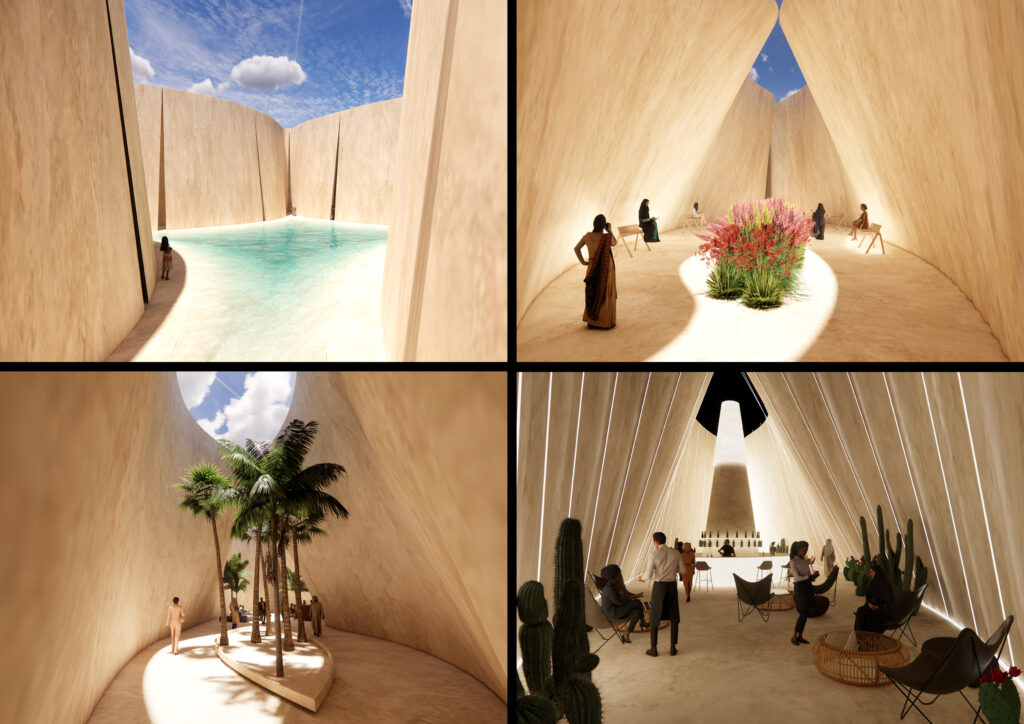
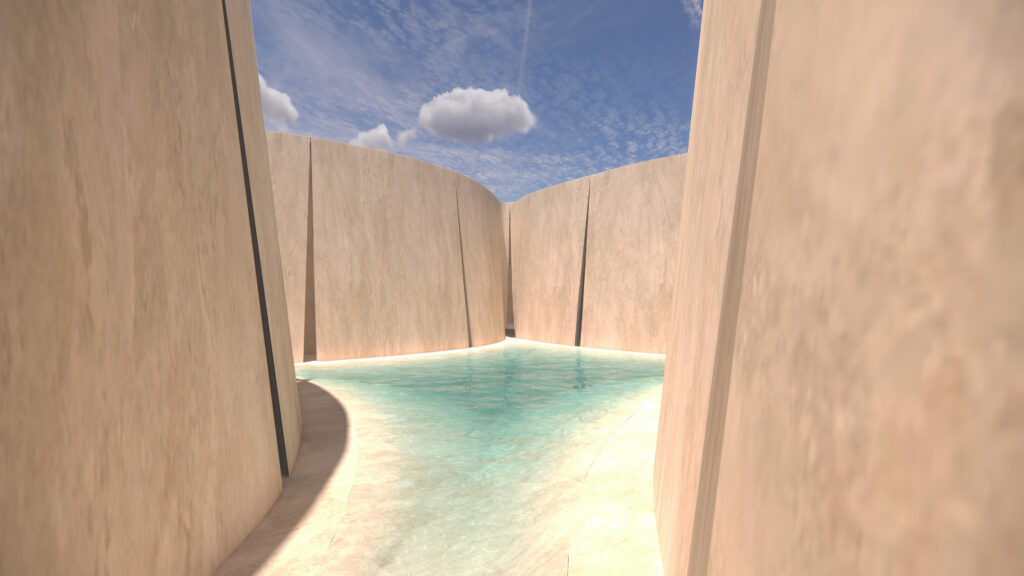
Set within an expansive desert landscape, the project is conceived as a place of stillness and retreat, where architecture unfolds through a linear sequence of spaces defined by light, shadow, and silence.

A continuous wall guides movement, revealing spaces gradually and creating a calm, rhythmic experience. Guest suites function as private sanctuaries, opening onto intimate courtyards that frame the desert while preserving enclosure.

At the heart of the project, water emerges as a subtle presence—collected through natural condensation—offering a moment of reflection within the arid landscape. More secluded spaces are embedded below ground, while communal areas extend along the axis, shaped by controlled light and quiet thresholds toward the horizon.

The hotel appears as a monolithic form within the vast landscape, proposing a refined vision of luxury rooted in simplicity, privacy, and a deep connection to place.

Kyotographie 2021
Kyoto | Japan

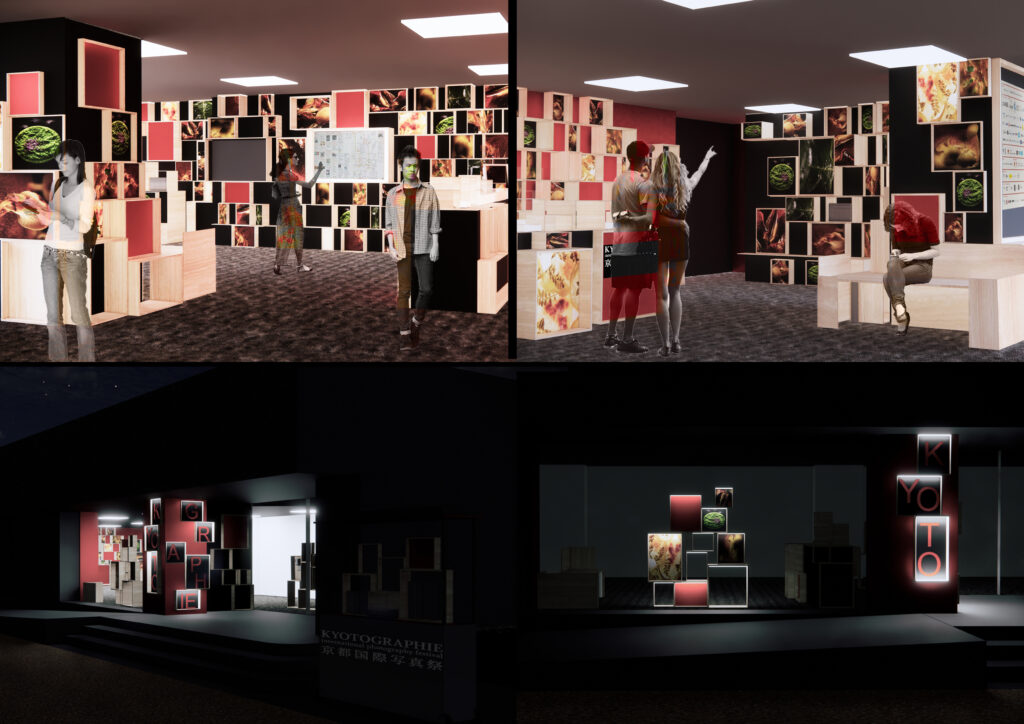
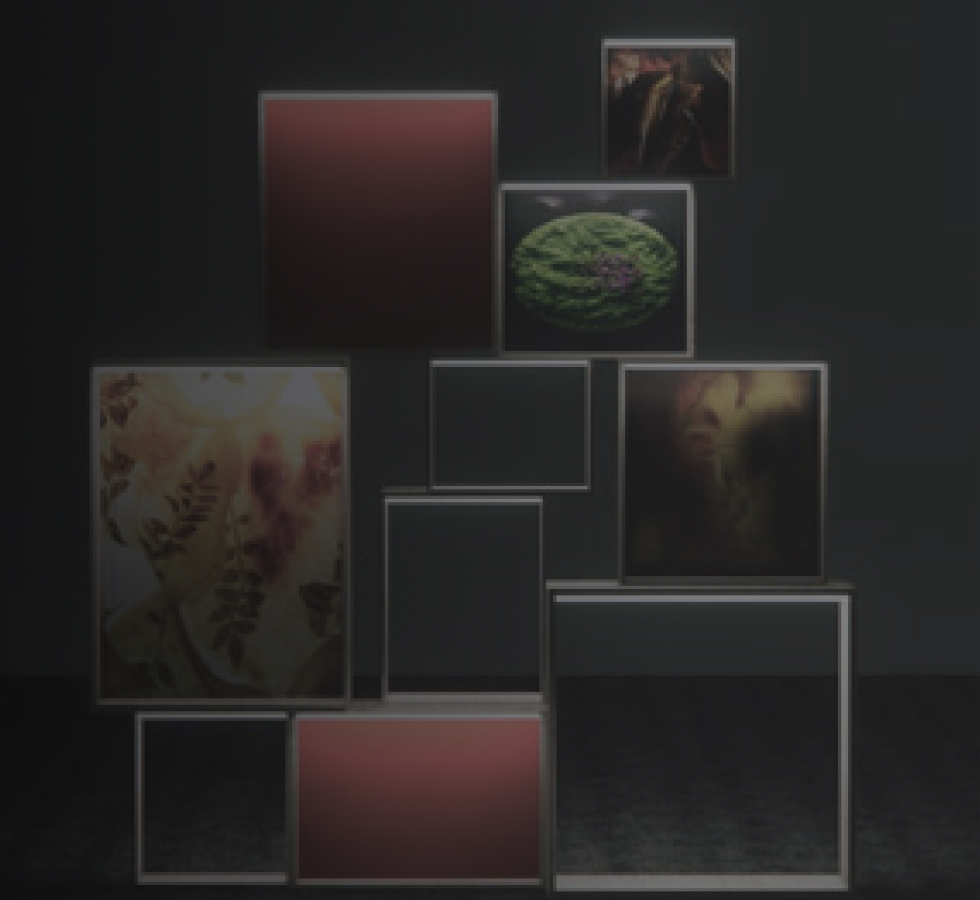
Finalist proposal for the Information Center of KYOTOGRAPHIE 2021: the project explores scenography as an architectural device that translates the festival’s multidisciplinary nature into space.

A system of modular wooden elements serves as both display and structure, forming a porous, flexible environment in which images and visitors coexist within a continuously evolving spatial field. Conceived as frames, these elements generate layered compositions through aggregation and repetition.

Fragmentation and non-linearity guide the experience, dissolving traditional exhibition hierarchies and encouraging intuitive movement.

The project transforms the Information Center into an active interface—where architecture frames photography, and photography reshapes the perception of space.